Debunking Myths: What Quantum Healing Really Means


Understanding Quantum Healing
Quantum healing is a term that has sparked curiosity and skepticism in equal measure. It often conjures images of mysterious energy fields and mystical practices. However, understanding what quantum healing really means requires looking beyond the myths and misconceptions.
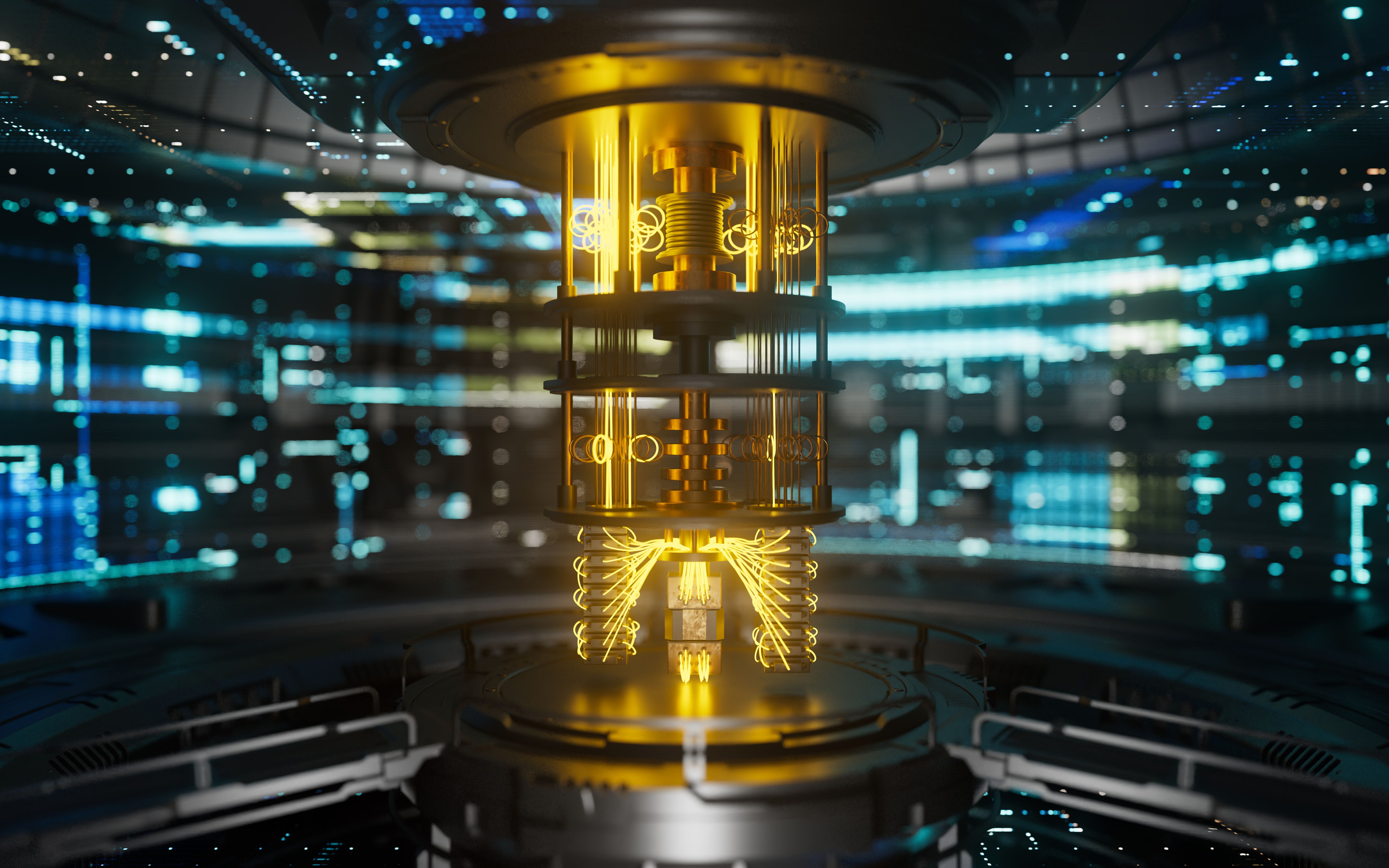
At its core, quantum healing involves the idea that our bodies are not just physical entities but are also composed of energy. This approach suggests that by altering the energy patterns within the body, healing can occur on a physical, emotional, and mental level. While some claims associated with quantum healing may seem exaggerated, there are elements rooted in science that warrant exploration.
The Science Behind Quantum Healing
Quantum healing draws inspiration from quantum physics, which reveals that at a subatomic level, everything in the universe is interconnected. This interconnectivity suggests that changes in energy fields can potentially influence physical health. While traditional medicine focuses on treating symptoms, quantum healing aims to address the underlying energy imbalances.
It's important to note that quantum healing is not a replacement for conventional medical treatments. Instead, it can be viewed as a complementary approach that works alongside other therapies to promote overall well-being.

Common Myths About Quantum Healing
There are several myths surrounding quantum healing that can lead to misunderstandings:
- Myth 1: Quantum healing can cure all diseases. While it can support healing, it is not a magic cure.
- Myth 2: It is purely spiritual. Quantum healing incorporates both scientific and holistic elements.
- Myth 3: No scientific basis. Quantum physics provides a scientific framework for understanding energy interactions.
Benefits of Quantum Healing
Despite the skepticism, many individuals report positive outcomes from incorporating quantum healing practices into their lives. Some potential benefits include:
- Enhanced emotional well-being
- Reduced stress and anxiety
- Improved mental clarity
- Overall sense of balance and harmony

These benefits often result from a combination of mindfulness, meditation, and energy work, which are integral components of quantum healing practices.
Approaches to Quantum Healing
There are various approaches to quantum healing, and practitioners may use a combination of techniques. Some common methods include:
- Meditation: Focusing the mind to promote relaxation and energy flow.
- Reiki: A practice that involves channeling energy to promote healing.
- Visualization: Using mental imagery to influence physical and emotional states.
These practices aim to align the body's energy fields, facilitating a natural healing process.
Conclusion
While quantum healing may not hold all the answers, it offers a fascinating perspective on health and wellness. By understanding its principles and dispelling the myths, individuals can make informed choices about integrating these practices into their lives. As always, it is essential to consult with healthcare professionals before making any significant changes to health routines.